
Hospital Indemnity Plan: Protect Yourself from Copays, Deductibles, and Extra Costs with Confidence
How does a hospital indemnity plan help seniors manage healthcare expenses?
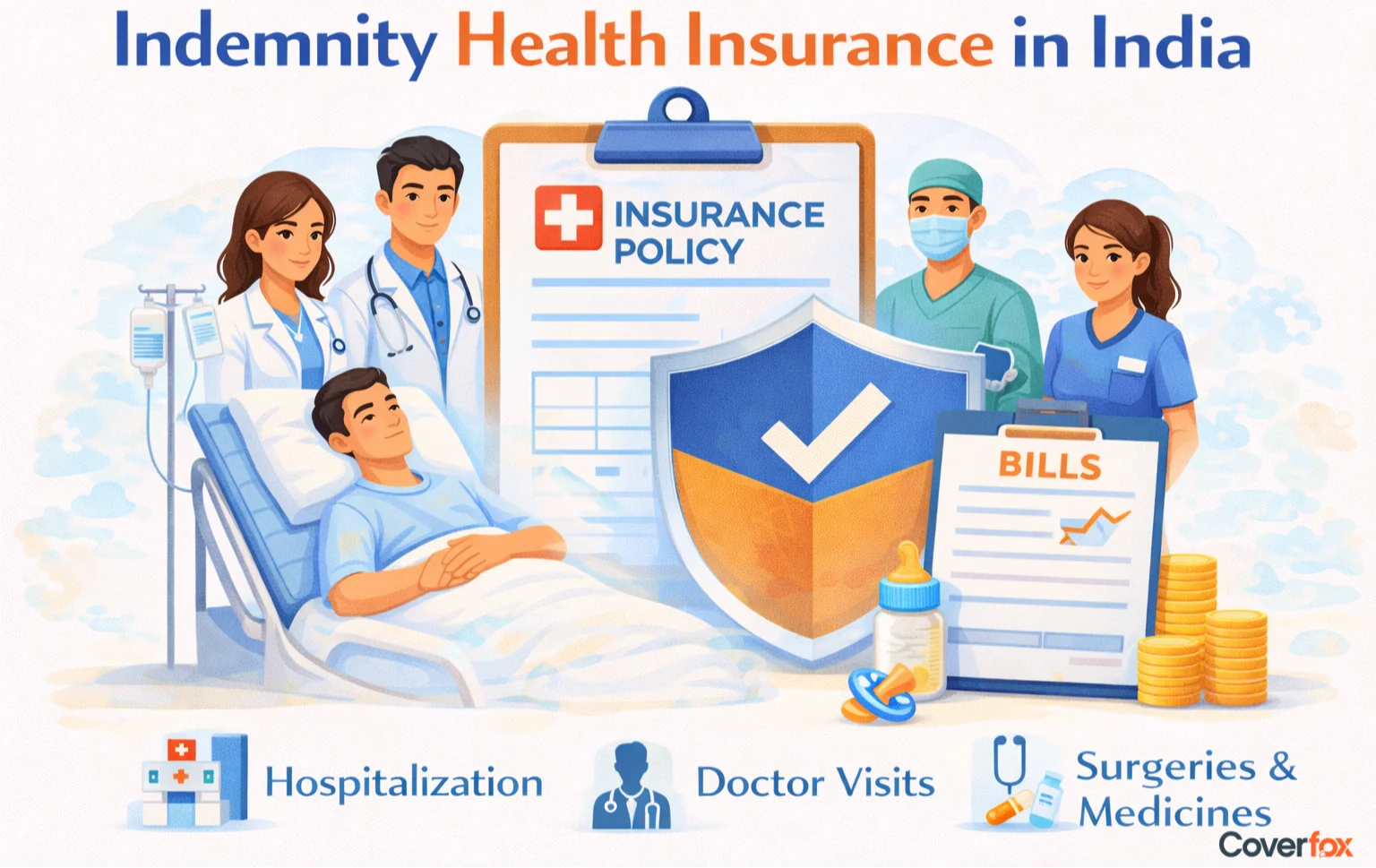
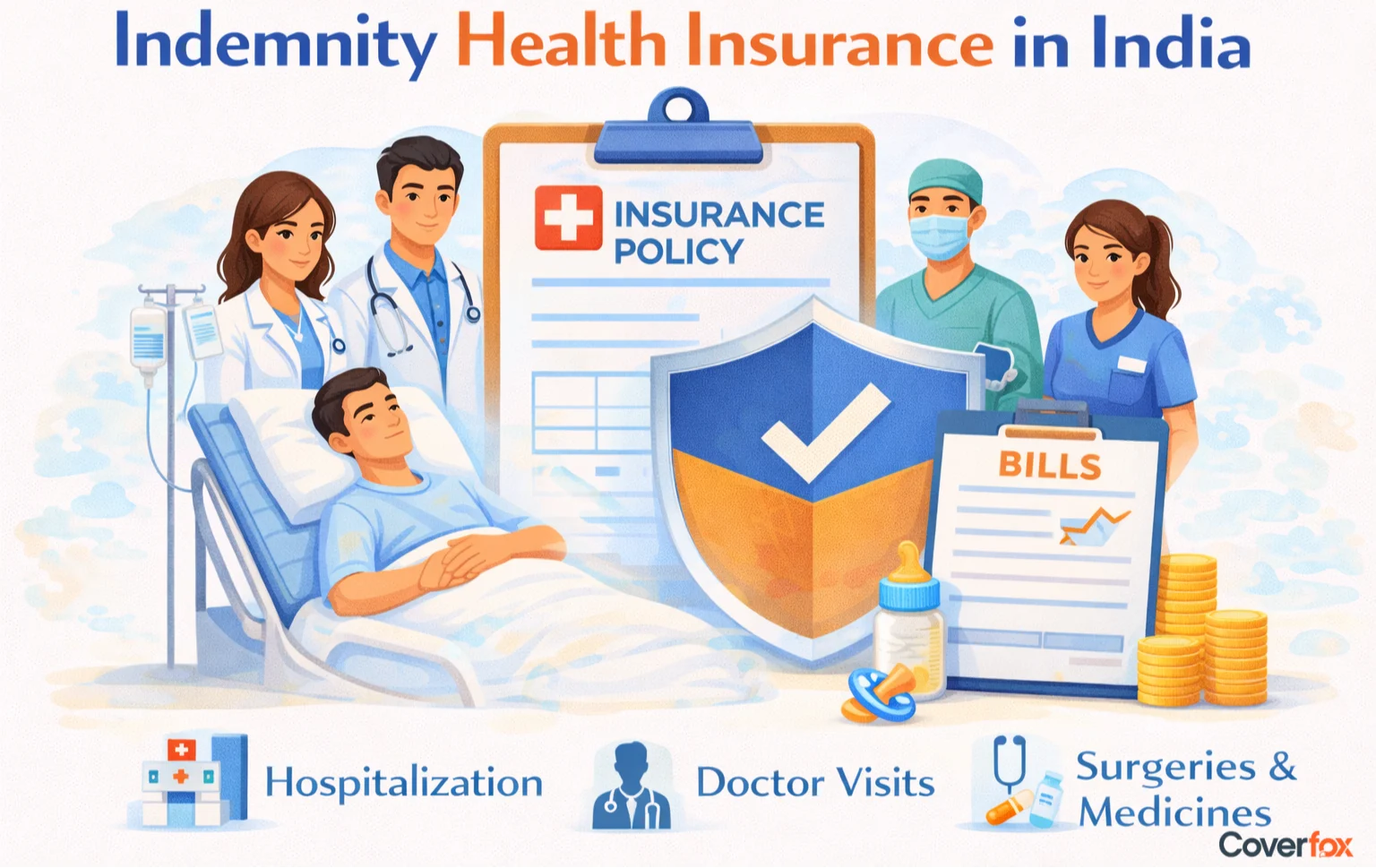
A hospital indemnity plan provides cash benefits directly to policyholders after a hospital stay, giving seniors a financial buffer against copays, deductibles, and other out-of-pocket expenses. Unlike traditional insurance, which often reimburses only medical bills, these plans deliver cash that can be used however the recipient sees fit, offering flexibility and peace of mind.
What types of hospital costs can this plan cover?
Cash benefits from a hospital indemnity plan can cover a wide range of costs. Seniors can use the funds for daily living expenses, home care, transportation to follow-up appointments, medications not fully covered by insurance, and even personal needs during recovery. This means hospital-related stress does not translate into financial stress, supporting overall well-being.
Can seniors receive benefits for short-term hospital stays?
Yes. Many hospital indemnity plans include coverage for shorter inpatient stays, observation periods, and certain outpatient procedures. Even brief hospitalizations can trigger cash benefits, ensuring that any disruption in daily life has financial support, no matter the length of the stay.
How quickly are cash benefits provided after hospitalization?
Hospital indemnity plans are designed to provide timely support. Many insurers issue payments within days or a few weeks following a qualifying hospital stay. This rapid access to funds ensures seniors can handle bills and recovery costs immediately, without waiting for complex claims processing.
Do seniors need to worry about using benefits for non-medical purposes?
Not at all. One of the most valuable aspects of a hospital indemnity plan is its versatility. Seniors are free to use benefits for medical or non-medical needs, from paying utility bills and transportation to arranging home care or even simply easing financial stress. This unrestricted use allows seniors to prioritize recovery while maintaining independence.
How does a hospital indemnity plan complement existing insurance coverage?
These plans work alongside traditional health insurance. While a primary health policy covers hospital charges, surgery costs, and other medical expenses, a hospital indemnity plan provides cash directly to the insured. This additional layer of financial support helps seniors cover deductibles, copays, and unexpected expenses that regular insurance may not fully address.
Is enrollment complicated for older adults?
Most hospital indemnity plans are designed to be straightforward and accessible. Seniors typically provide basic health information and select coverage amounts, often with minimal paperwork. This user-friendly process ensures that more seniors can secure financial protection without unnecessary barriers.
What are the long-term benefits of having a hospital indemnity plan?
Consistent coverage over time ensures that seniors are never caught unprepared during hospital visits. Cash benefits create a safety net that supports independence, reduces anxiety about healthcare costs, and allows seniors to recover comfortably at home. The plan promotes financial stability while enhancing overall quality of life.
Does this plan offer peace of mind in addition to financial protection?
Absolutely. Knowing that funds will be available after a hospital stay can relieve stress and allow seniors to focus entirely on their recovery. The assurance of immediate financial support encourages a sense of security, helping seniors maintain confidence in managing health-related challenges.
Conclusion
Hospital indemnity plans provide seniors with a reliable safety net, helping cover copays, deductibles, and unexpected costs with confidence. By offering cash benefits that can be used for both medical and personal needs, these plans empower seniors to recover without financial worry. When paired with existing health insurance, a hospital indemnity plan ensures comprehensive protection and peace of mind, giving older adults the freedom to focus on health, independence, and overall well-being.