Singapore Luxury Property Trends in 2026: What High-End Buyers Are Really Looking For

A More Selective Luxury Market in 2026
Singapore’s luxury property segment in 2026 is no longer driven purely by prestige or brand appeal. Instead, high-end buyers are becoming far more selective, focusing on privacy, exclusivity, design quality, and long-term value retention. While demand remains stable among high-net-worth individuals, the criteria for purchase decisions have become significantly more refined.
Privacy and Exclusivity as Core Priorities
One of the strongest expectations among luxury buyers today is privacy. Many high-end purchasers prioritize low-density developments, private lifts, and limited unit counts. This preference reflects a broader shift away from densely populated luxury towers toward more exclusive residential experiences that offer a quieter and more controlled living environment.
Developers are responding by designing residences that emphasize spatial separation, private facilities, and discreet access points.
Location Still Matters, But Differently
In the luxury segment, location continues to be important, but its definition has evolved. Instead of only focusing on central districts, buyers now evaluate lifestyle positioning, surrounding environment, and long-term prestige value.
Areas with waterfront views, greenery, or proximity to diplomatic and embassy zones tend to attract sustained interest. However, accessibility to key business districts remains essential, especially for international buyers who split time across countries.
Design Quality and Architectural Identity
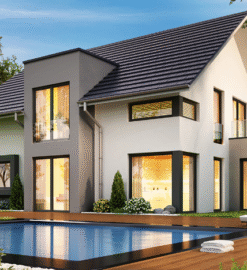
Luxury buyers in 2026 place significant emphasis on architectural identity and interior design quality. Generic layouts and standard finishes are no longer sufficient in this segment.
Key expectations include:
- Bespoke interior design elements
- High-quality natural materials
- Spacious and functional layouts
- Floor-to-ceiling glazing for natural light
- Seamless indoor-outdoor living integration
Developers that fail to differentiate design often struggle to maintain premium positioning in the long term.
The Shift Toward Lifestyle-Oriented Luxury
Luxury living is increasingly defined by lifestyle rather than just physical space. Buyers now expect curated amenities that enhance daily living, such as wellness facilities, concierge services, and private entertainment spaces.
This reflects a broader global trend where luxury is measured by experience rather than ownership alone.
Emerging Premium Developments in Strategic Locations
In Singapore’s evolving luxury landscape, certain developments are gaining attention for combining modern design with strategic positioning. Lucerne Grand is one example of a project that reflects this trend, offering a balance between contemporary living standards and accessibility that appeals to affluent buyers seeking long-term value stability.
Ultra-Luxury vs Emerging Luxury Segments
The luxury market in Singapore is increasingly divided into two segments:
Ultra-Luxury Segment
This includes prime district properties, penthouses, and branded residences. Buyers in this category prioritize exclusivity, global connectivity, and prestige branding over yield considerations.
Emerging Luxury Segment
This segment focuses on high-quality developments outside traditional prime zones. Buyers here are often looking for better value, larger space, and strong future appreciation potential.
Both segments remain active, but buyer motivations differ significantly.
Sustainability as a Luxury Standard
Sustainability is no longer optional in the luxury segment. High-end buyers are increasingly interested in energy efficiency, eco-friendly materials, and green building certifications.
Developments that integrate sustainability with luxury design tend to perform better in long-term valuation because they align with global wealth trends and environmental awareness.
Rental Demand in the Luxury Segment
While many luxury properties are owner-occupied, rental demand still plays a role, especially among expatriate executives and corporate tenants. However, this demand is more niche and sensitive to global economic conditions.
Luxury rental performance depends heavily on:
- Location prestige
- Unit condition and furnishing quality
- Building facilities and services
- Security and privacy levels
Lifestyle-Oriented Luxury Living
A growing number of buyers are shifting toward developments that offer a more balanced and relaxed lifestyle rather than purely central urban living. These properties often appeal to families or long-term residents who prioritize comfort and space.
Island Residences reflects this evolving preference by offering a quieter residential environment that still maintains access to key urban conveniences, making it attractive for buyers seeking lifestyle balance over pure city-centre intensity.
Long-Term Value Preservation
In the luxury segment, capital preservation is often more important than aggressive appreciation. Buyers are typically more focused on protecting wealth rather than maximizing short-term gains.
This makes factors such as build quality, developer reputation, and long-term location stability extremely important.
Conclusion
Singapore’s luxury property market in 2026 is defined by refinement, selectivity, and experience-driven demand. Buyers are no longer motivated solely by prestige but by a combination of privacy, design quality, sustainability, and lifestyle value.
Developments that successfully integrate these elements are better positioned to retain long-term appeal in an increasingly sophisticated market. Whether considering modern high-end residences like Lucerne Grand or lifestyle-focused homes such as Island Residences, the key driver of success in this segment is alignment with evolving expectations of luxury living.