
12 Apostles Collapse Update: How Many Are Left and What Does It Mean for Visitors?
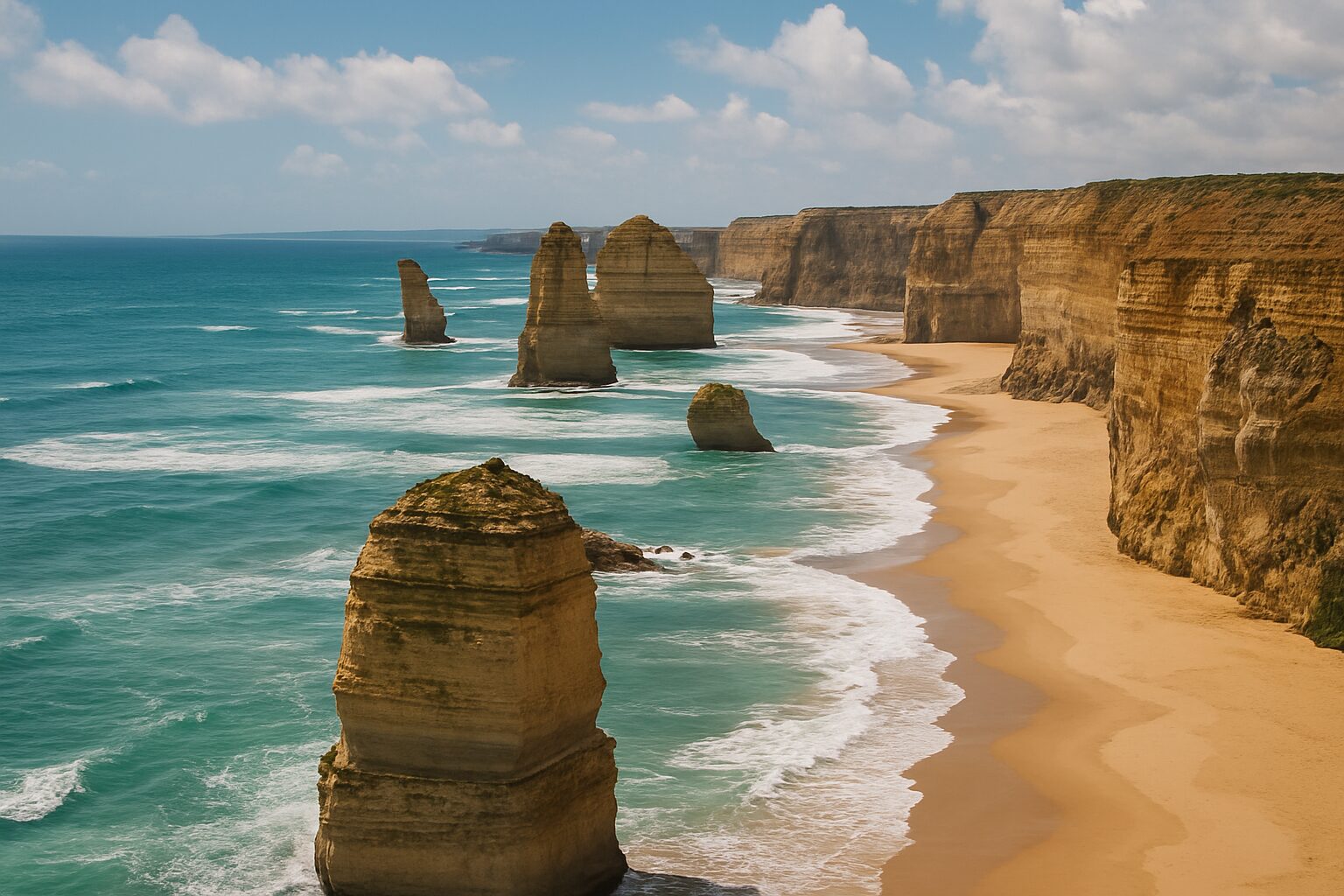
12 Apostles is one of the popular natural attractions in Australia. These soaring limestone stacks stand defiantly off Victoria’s rocky coast and have become a must-see destination for domestic and global visitors alike.
But there remains the question that has puzzled many: if they are called the 12 Apostles, why are only 8 of them standing today?
Calls of coastal erosion and past collapses have led many visitors to wonder how many formations are left, and if the experience has changed.
How Many Apostles Are Left?
As for the name, there have never actually been 12 visible limestone stacks at the site. The tourism-oriented re-naming of the attraction from “The Sow and Piglets” to the 12 Apostles was aimed at creating a more memorable tourism brand.
At one time, visitors could see nine large stacks from the observation areas.
This was reduced following a civil 2005 collapse, when part of the cliff fell into the sea. Currently, seven significant stacks are generally known from the fundamental lookout points.
The number has changed, although the striking scenery is more than just as breathtaking.
Why Do the Apostles Collapse?
The Great Ocean Road coastline is everchanging.
Limestone formations are shaped by:
Powerful Southern Ocean waves
- Strong coastal winds
- Rain and weather exposure
- Erosion due to natural cause during hundreds of years
Sooner or later, the bottom of a stack will erode to the point that it is unable to support whatever is above it.
While future collapses may still occur, as erosion continued to mould the coastal land, also formed new ones.
Does the Collapse Impact the Experience of Visitors?
Not at all.
When most guests learn that the draw of the attraction isn’t just watching people stack rocks − who had actually never seen such a thing before, and particularly how so many stacks can coexist in one place among perpetual strong winds. It is the high cliffs, surf, and wide ocean views which simply cannot be forgotten!
Visitors can still enjoy:
- Spectacular viewing platforms
- Sunrise and sunset photography
- Scenic walking paths
- Nearby coastal attractions
- Wildlife spotting opportunities
Many of the places people visit along customisable journeys constantly change as well, making them all the more captivating for travellers.
The Reason Why The 12 Apostles are Still a Must-See
The 12 Apostles remains a significant contributor to Victoria’s tourism.
Some of Australia and Victoria’s best coast scenery is to be found along the Great Ocean road − that’s why many visitors select a Great Ocean road day tour: easy access to the Apostles.
What to include in a average Great Ocean road day tour?
- Loch Ard Gorge
- Gibson Steps
- London Arch
- Apollo Bay
- Great Otway National Park
Such comes in the form of attractions that enhance your time beyond those iconic limestone formations.
Best Tour for Visiting?
The answer for a lot of travellers is yes.
Professional organisation of any wonderful Ocean road excursion piles up for travel are visible without ideation, parking lot car, and also join passengers in an alternative vacation − all the work is cared for.
If you want to know why countless travellers opt or Great Ocean road tour package, it is simply because such an opportunity brings transportation, sightseeing, and local insights together all in one.
This is particularly beneficial to first-time visitors hoping to make the most of their time travelling along one of Australia’s great drives.
Final Thoughts
Though only seven remain above water today, the 12 Apostles remain one of Australia’s most astonishing natural landmarks. They are beautiful not for the precise number of formations, but the amazing ocean coast that surrounds them.
This means that no matter if you’re choosing to go on a Great Ocean road day tour or book one of the numerous Great Ocean road tour packages available, the experience will still expose you to stunning landscapes, photogenic moments, and appreciation of nature’s force.