How Long After Shocking Pool Can I Swim: A Quick Guide
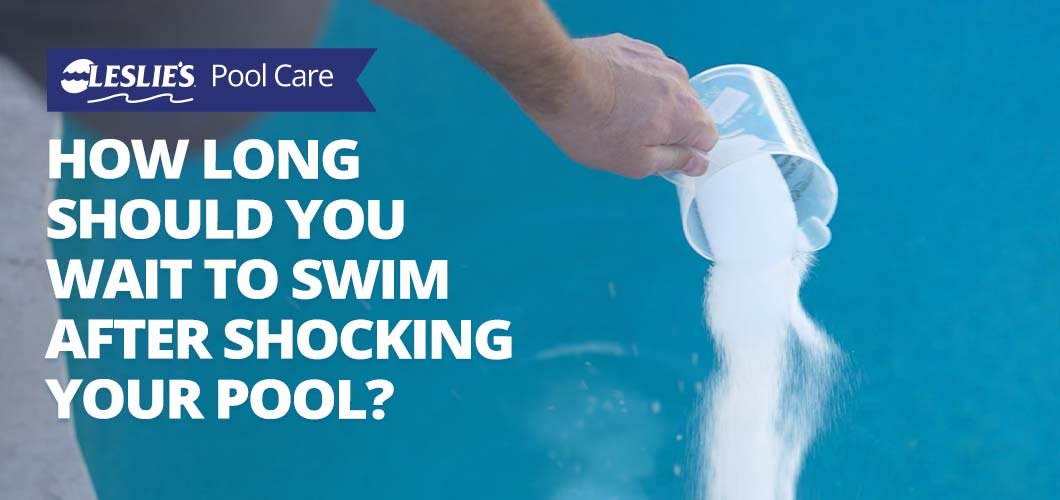
You can swim in a shocking pool once the chlorine levels have returned to normal. Shocking a pool is necessary to maintain water quality, but it is crucial to wait until the chlorine levels have dissipated before swimming for safety reasons. Testing the water with a pool testing kit can help determine when it is safe to swim again. Enjoying your pool after shocking it is possible with proper care and patience. Remember, safety first when it comes to swimming in a previously shocked pool.

How Long After Shocking Pool Can I Swim?
Welcome to our guide on how long after shocking a pool you can safely swim in it. Many pool owners are unsure about the waiting period after shocking their pool before it is safe for swimming. In this article, we will discuss the process of shocking a pool, the reasons behind it, and the recommended waiting time before taking a dip. Let’s dive in!
Understanding Pool Shocking
Before we get into the details of when it is safe to swim after shocking a pool, let’s first understand what pool shocking is all about. Pool shock is a process of adding a higher than normal dose of chemicals to the pool water to kill bacteria, algae, and other contaminants that regular chlorine levels may not be able to handle. It helps to keep the water clean, clear, and safe for swimmers.
During the shocking process, the water chemistry undergoes a rapid change, and it is essential to wait for the chemicals to dissipate and the water to return to a safe balance before swimming to avoid skin and eye irritation.
Factors Affecting Swim-Readiness After Pool Shocking
The time required to swim after shocking a pool can vary depending on several factors. These factors include the type and quantity of shock used, the size of the pool, the water temperature, and the level of contaminants present in the water. Let’s take a closer look at each of these factors:
Type and Quantity of Shock
There are different types of pool shock available in the market, such as calcium hypochlorite, sodium dichlor, and potassium peroxymonosulfate. Each type has its own instructions regarding dosage and waiting time. It is essential to follow the manufacturer’s guidelines to ensure safety.
Size of the Pool
The size of the pool plays a role in determining how long it takes for the shock chemicals to disperse evenly throughout the water. Larger pools may require more time for the chemicals to circulate and dissolve properly.
Water Temperature
Warmer water temperatures can accelerate the dissipation of shock chemicals compared to colder water. In general, higher temperatures help the chemicals break down faster, but it is still important to wait for the correct waiting period.
Level of Contaminants
If the pool water was heavily contaminated before shocking, it may take longer for the shock treatment to work effectively. Testing the water for pH, chlorine levels, and other parameters can give you an idea of when it is safe to swim again.
Recommended Waiting Time After Pool Shocking
While the exact waiting time can vary based on the factors mentioned above, as a general guideline, it is recommended to wait at least 8-24 hours after shocking the pool before swimming. This allows ample time for the shock chemicals to dissipate, the water to circulate, and the chlorine levels to return to normal.
It is crucial to test the water using a pool testing kit to ensure that the chlorine levels are within the safe range (usually 1-3 ppm) before allowing swimmers into the pool. Additionally, the pH and alkalinity levels should also be balanced to prevent skin and eye irritation.
Precautions to Take Before Swimming
Before diving into a freshly shocked pool, here are some precautions to keep in mind:
- Wait for the recommended time after shocking the pool.
- Test the water for chlorine, pH, and alkalinity levels.
- Shower before entering the pool to remove any contaminants from your body.
- Ensure that the pool equipment is functioning correctly.
- Keep children and pets away from the pool until it is safe for swimming.
Knowing how long to wait after shocking a pool before swimming is essential for maintaining a safe and enjoyable swimming environment. By following the recommended guidelines, testing the water quality, and taking necessary precautions, you can ensure a clean and refreshing swim without any health risks. Remember, safety always comes first when it comes to pool maintenance and care!
We hope this article has provided you with valuable insights into the waiting period after pool shocking. If you have any questions or experiences to share, feel free to leave a comment below. Happy swimming!
How Long Do You Have to Wait to Swim after You Shock a Pool?
Frequently Asked Questions
How soon can I swim after shocking my pool?
It is recommended to wait at least 8-10 hours after shocking your pool before swimming. This allows the chemicals to fully circulate and disperse, ensuring the water is safe for swimming.
Can I test the water after shocking the pool before swimming?
Yes, it is a good practice to test the water after shocking your pool to ensure that chlorine levels have returned to a safe range. Use a test kit to check the chlorine levels before entering the pool.
What precautions should I take before swimming following a pool shock?
Prior to swimming after shocking your pool, make sure to check the water clarity and confirm that the chlorine levels have balanced. It’s also advisable to rinse off in the shower before entering the pool to wash away any residual chemicals.
Final Thoughts
After shocking a pool, it is recommended to wait at least 8-24 hours before swimming to allow the chemicals to dissipate and the water to return to a safe pH level. Swimming too soon after shocking can cause skin and eye irritation. It is crucial to follow the manufacturer’s guidelines for shock treatments. Remember, your safety is paramount, so always wait the appropriate time before entering the pool after shocking it. How long after shocking a pool can I swim? Wait at least 8-24 hours for a safe and enjoyable swimming experience.