
ADB-Butinaca – Pharmacological Profile and Risk Information
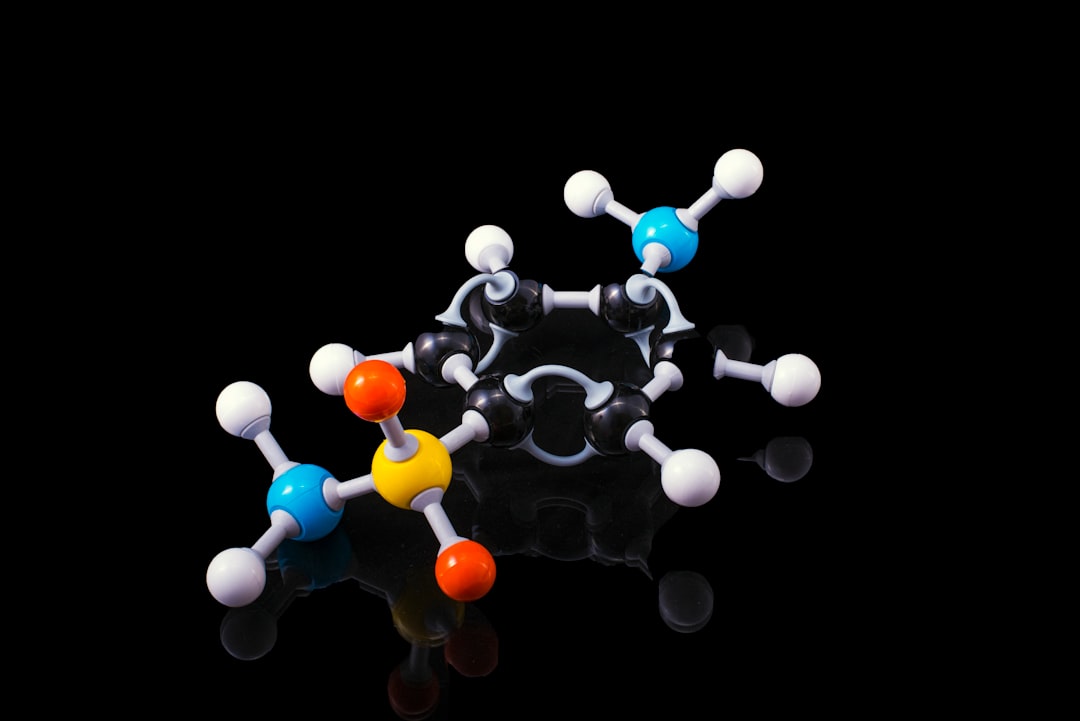
The study of synthetic cannabinoids has expanded significantly in recent years due to the emergence of new psychoactive substances with potent effects on the central nervous system. Among these compounds, ADB-Butinaca is a synthetic cannabinoid that has been identified in forensic and analytical research. Understanding its pharmacological profile and associated risks is important for researchers, healthcare professionals, and public safety authorities.
What Is ADB-Butinaca?
ADB-Butinaca is a synthetic cannabinoid receptor agonist that belongs to a class of compounds designed to interact with the body’s endocannabinoid system. It is structurally different from natural cannabinoids found in cannabis but mimics their activity by binding to cannabinoid receptors in the brain. These compounds are typically developed in laboratory settings for research purposes but have also appeared in unregulated markets, raising safety concerns.
How Does ADB-Butinaca Work?
ADB-Butinaca primarily acts on CB1 and CB2 cannabinoid receptors in the central and peripheral nervous systems. By binding strongly to these receptors, it can produce effects that are significantly more intense than natural cannabis. This high potency is due to its full agonist activity, meaning it activates receptors more completely than partial agonists like THC. The result is a strong alteration in neurotransmitter release, affecting mood, perception, and cognitive function.
What Are the Pharmacological Effects?
The pharmacological effects of ADB-Butinaca can vary depending on dose, purity, and individual sensitivity. Reported effects include sedation, euphoria, altered perception, and relaxation. However, due to its potency, it can also produce adverse reactions such as anxiety, confusion, rapid heart rate, and loss of coordination. In some cases, users may experience more severe effects including agitation or acute psychological distress.
Why Is ADB-Butinaca Considered High Risk?
ADB-Butinaca is considered high risk because of its unpredictable potency and lack of controlled dosage in unregulated settings. Small variations in chemical composition can lead to significant differences in effects, increasing the likelihood of overdose or toxic reactions. Additionally, because it is often found in synthetic mixtures, users may be exposed to unknown substances that further increase health risks.
What Are the Health Risks?
The health risks associated with ADB-Butinaca can be significant. Acute effects may include nausea, vomiting, paranoia, elevated blood pressure, and rapid heart rate. In severe cases, users may experience seizures, loss of consciousness, or cardiovascular complications. Long-term effects are not well understood due to limited research, but repeated exposure to potent synthetic cannabinoids may contribute to cognitive and psychological issues.
Why Is It Difficult to Study ADB-Butinaca?
One of the challenges in studying ADB-Butinaca is its constant structural modification. Manufacturers of synthetic cannabinoids often alter chemical structures to bypass legal restrictions, resulting in new analogs that are difficult to track and regulate. This makes it challenging for researchers to establish consistent pharmacological data or conduct long-term safety studies.
What Are the Legal Considerations?
In many countries, ADB-Butinaca and related synthetic cannabinoids are classified as controlled substances or are banned under analogue laws. Regulatory agencies continuously update schedules to include newly identified compounds. Despite this, illegal production and distribution continue in some regions, creating ongoing public health concerns.
Safety and Public Health Concerns
From a public health perspective, ADB-Butinaca represents a significant challenge due to its potency and unpredictable effects. Emergency medical services have reported cases of severe intoxication linked to synthetic cannabinoids. Public education and strict regulation are key strategies used to reduce harm and limit exposure to such substances.
Conclusion
ADB-Butinaca is a potent synthetic cannabinoid with strong activity on the brain’s cannabinoid receptors. While it is primarily studied in forensic and analytical contexts, its presence in unregulated markets poses serious health risks. Understanding its pharmacological profile and potential dangers is essential for raising awareness and supporting public safety efforts.