
Indica vs Sativa: A Simple Comparison for New Cannabis Shoppers
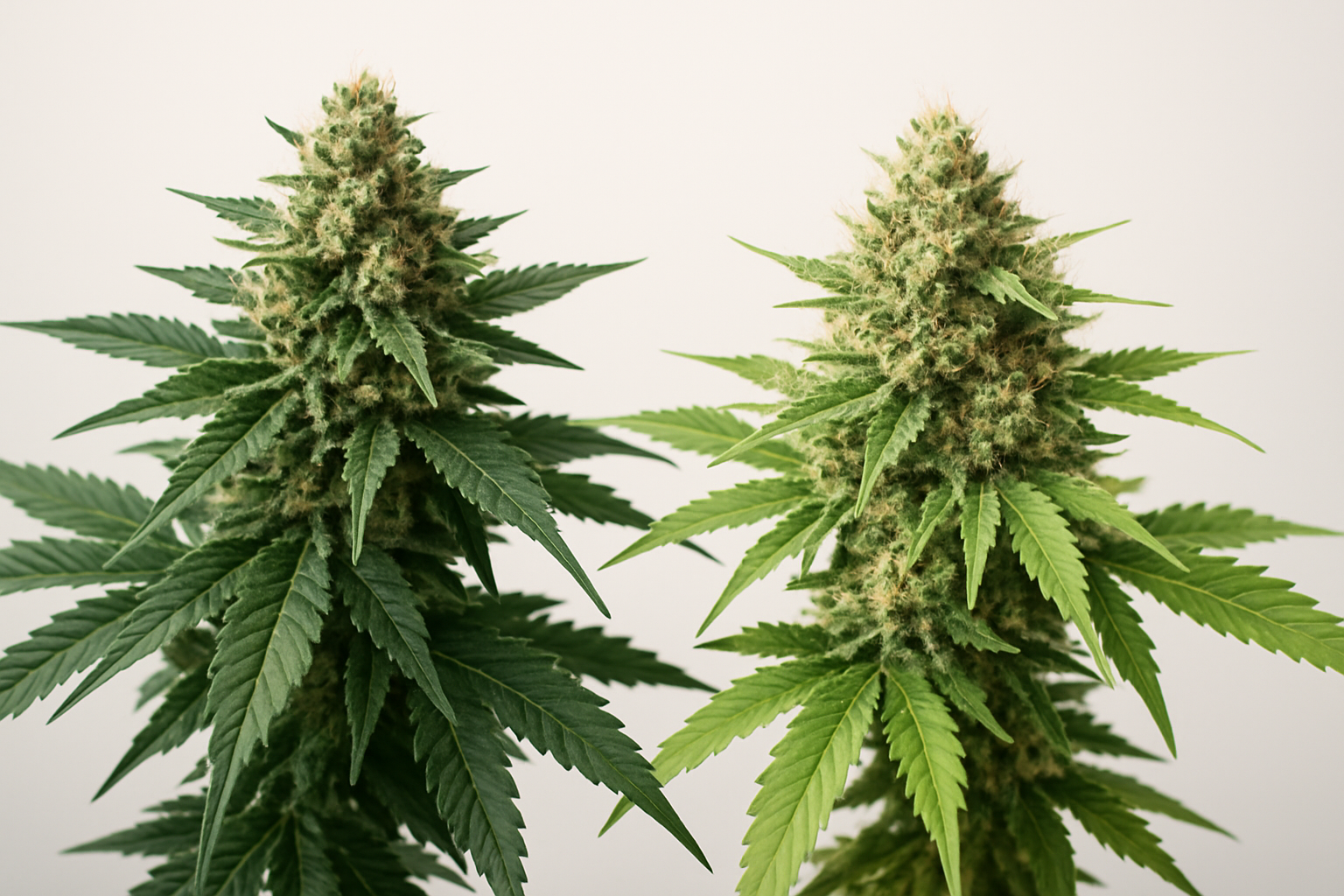
Choosing between different cannabis varieties can feel easier when shoppers understand the basic terminology used to describe them. Among the most familiar classifications, Indica vs sativa provides a simple starting point for comparing plant characteristics, product profiles, and traditional descriptions. Although modern cannabis genetics are more diverse than these two categories suggest, understanding their general differences can help new shoppers read product information with greater clarity.
What’s Covered
- A Quick Look at Indica Characteristics
- Understanding Sativa Characteristics
- Where Do the Biggest Differences Appear?
- How Do Cannabinoids Add More Detail?
- Why Are Terpenes Worth Noticing?
- What About Hybrid Cannabis?
- Should New Shoppers Rely Only on These Labels?
- How Can Product Choices Become More Personalized?
- The Value of Understanding the Basics
- Conclusion
A Quick Look at Indica Characteristics
Indica is traditionally associated with cannabis plants that develop a shorter and more compact structure. Broad leaves, dense foliage, and relatively close branching are commonly linked with this classification.
These physical traits have practical significance in cultivation. Compact plants can be easier to manage in environments where vertical space is limited. Indica-associated genetics are also traditionally connected with shorter flowering periods, although actual growing times vary by cultivar and conditions.
For shoppers, the term can serve as a useful first indicator of a product’s traditional genetic background.
Understanding Sativa Characteristics
Sativa is traditionally associated with taller cannabis plants featuring narrower leaves and more open growth patterns. Compared with compact indica-associated plants, sativa plants can require more vertical space during cultivation.
Their traditional flowering characteristics are also different, with many sativa-associated varieties historically taking longer to reach maturity. These characteristics have helped establish sativa as a distinct botanical category within cannabis terminology.
For new shoppers, the classification provides another broad reference point when exploring product descriptions.
Where Do the Biggest Differences Appear?
The most visible differences are often found in plant structure. Indica-associated plants generally have a compact appearance, while sativa-associated plants tend to grow taller and more elongated.
However, the finished cannabis product involves considerably more than plant height or leaf shape. Flower density, aroma, flavor, cannabinoid concentration, terpene composition, and genetics can vary substantially among individual varieties.
This means the classification should be considered part of a larger product description.
How Do Cannabinoids Add More Detail?
Cannabinoids are naturally occurring compounds found in cannabis. THC and CBD are two of the most recognized examples, and their concentrations can vary from one product to another.
For shoppers, cannabinoid information provides measurable details that can complement the traditional indica or sativa label. Comparing these figures can help consumers understand how products differ chemically, even when they share a similar classification.
Why Are Terpenes Worth Noticing?
Terpenes contribute to the distinctive aromas and flavors found in cannabis. Different varieties can contain different combinations and concentrations of these naturally occurring compounds.
Citrus, earthy, floral, pine, herbal, and spicy notes can all occur across cannabis varieties. Consequently, shoppers may find considerable aromatic diversity within both traditional indica and sativa categories.
What About Hybrid Cannabis?
Hybrid varieties bring together genetics from different cannabis lineages. They are an important part of the modern cannabis landscape and demonstrate that the traditional categories exist along a broad spectrum.
Some hybrids may display characteristics that lean toward one traditional category, while others combine traits from both. This gives shoppers additional variety when exploring cannabis products.
Should New Shoppers Rely Only on These Labels?
Traditional classifications can be helpful, but they do not provide every detail about a product. A more complete comparison can include cannabinoid content, terpene information, cultivar genetics, aroma, flavor, product format, and other available product details.
Using several characteristics together gives shoppers a broader perspective and makes it easier to understand why two products with similar labels can still be quite different.
How Can Product Choices Become More Personalized?
New shoppers can gradually develop preferences by paying attention to the characteristics they enjoy. Aroma, flavor, cannabinoid profile, flower appearance, and product format can all become useful reference points.
Rather than treating cannabis categories as rigid definitions, shoppers can use them as an introduction to a much wider range of characteristics. This approach encourages a more informed exploration of available products.
The Value of Understanding the Basics
Learning the traditional distinction between indica and sativa gives new shoppers a foundation for navigating cannabis terminology. Indica generally describes compact plant characteristics, while sativa traditionally describes taller and more elongated growth.
Once these basics are understood, shoppers can explore additional information about individual cultivars. This creates a more detailed picture of cannabis diversity without making the selection process unnecessarily complicated.
Conclusion
Indica and sativa remain two of the most recognizable cannabis classifications, offering new shoppers a straightforward introduction to differences in plant structure and traditional cultivation characteristics. Indica-associated varieties are generally more compact, while sativa-associated varieties tend to be taller and narrower. Modern hybrids, cannabinoids, and terpene profiles add further diversity to the market. By combining traditional classifications with detailed product information, new shoppers can develop a clearer understanding of the cannabis varieties available today.
Key Points
- Indica cannabis plants typically have a shorter and more compact structure with broad leaves and dense foliage.
- Sativa cannabis plants are characterized by their taller stature, narrower leaves, and more open growth patterns, requiring more vertical space during cultivation.
- Hybrids in cannabis combine genetics from different lineages, resulting in products that may lean toward either traditional indica or sativa characteristics or mix traits from both.
- Cannabinoids like THC and CBD provide measurable details about cannabis products and can vary significantly even within the same classification of indica or sativa.
- Terpenes contribute to the aromas and flavors of cannabis, with different varieties reflecting a wide array of aromatic profiles that can be found within both indica and sativa categories.
- Understanding the basic differences between indica and sativa helps new shoppers navigate cannabis terminology and explore the diverse characteristics of individual cultivars.